Balloon Blowing Exercise
Train all mouth muscles evenly for better balance.
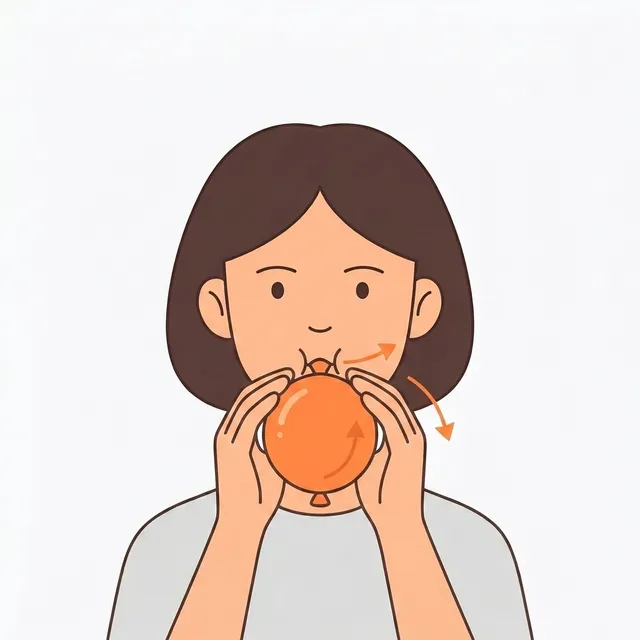
How to do it
- 1
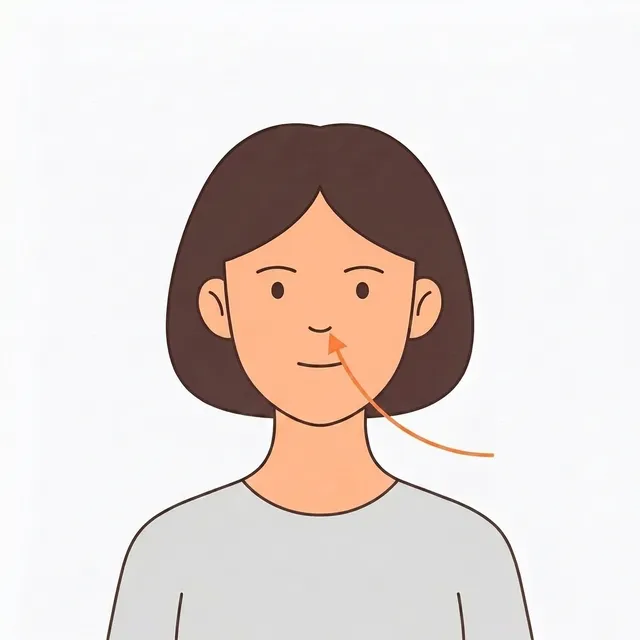
Inhale deeply through your nose.
- 2
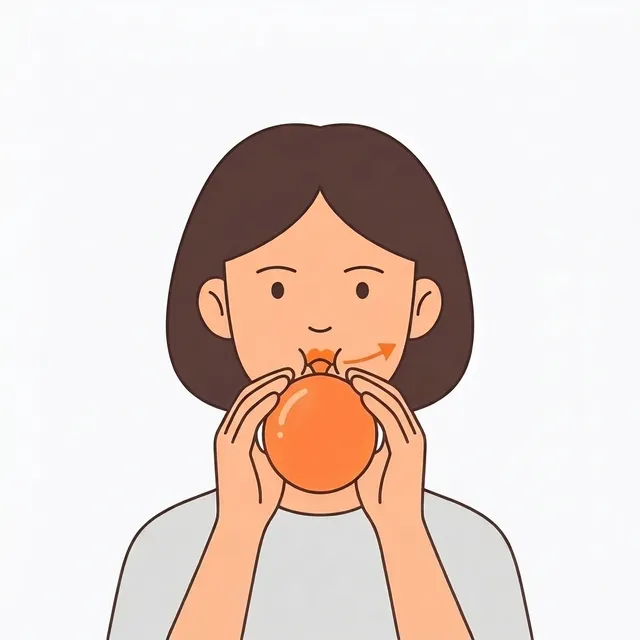
Blow a balloon slowly from the center of your lips.
- 3
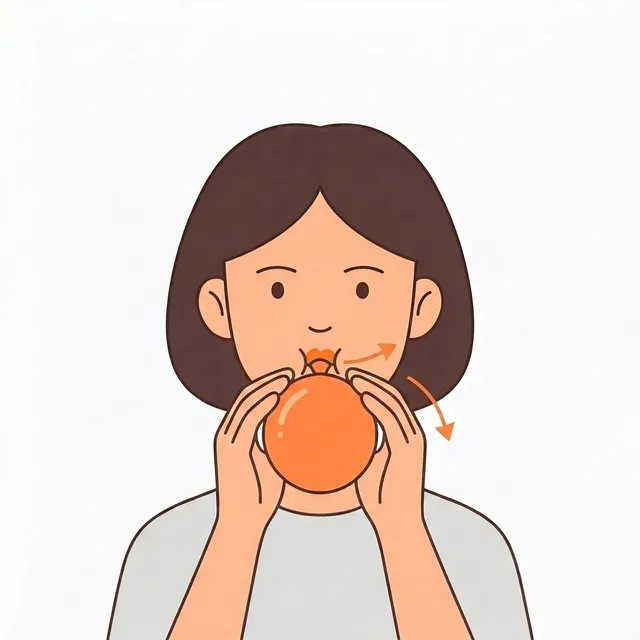
Focus on lip strength, not cheek puffing.
- 4
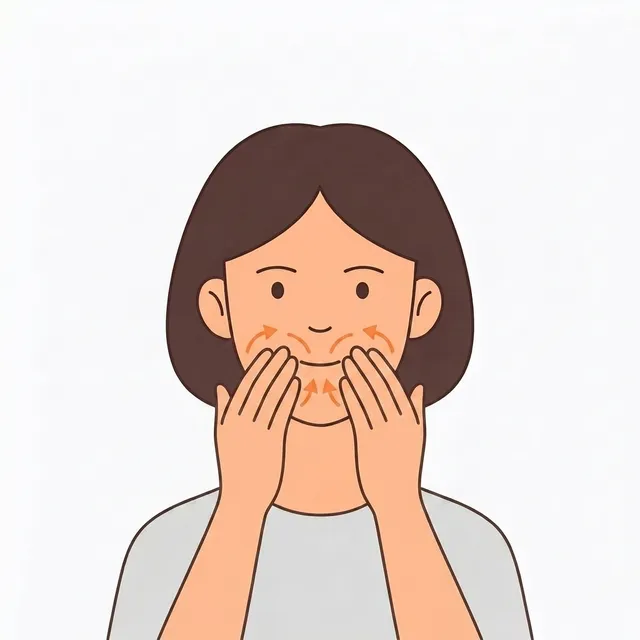
After 3 reps, lightly massage around your mouth.
Authorship and evidence
Written by: ALYGN operator · content editor
Content reviewed:
Date of editorial content and source review. This does not represent review by a medical professional.
This exercise is self-care information for functional asymmetry that comes from muscle habits. Individual results and timelines vary, and the listed times and repetitions are not a medical prescription.
- Alam et al. (2018): Facial exercise and the appearance of aging ↗
An uncontrolled pilot reporting appearance ratings in 16 completers over 20 weeks. It does not establish asymmetry correction, the effect of an individual movement, this site’s score, or a timeline for change.
Why it works
Blowing a balloon makes the entire lip and cheek musculature work against resistance at once. It develops the whole area evenly — without compensation from stronger muscles — narrowing left-right strength gaps.
Training mouth muscles one at a time risks lopsided development of whichever muscle you drill. The balloon's advantage is integration: sealing with the lips, bracing the cheek walls against pressure, and driving air with the breathing muscles must all coordinate within a single act — the whole ring of muscles works together exactly as it functions in real life.
A balloon's resistance changes throughout the blow — high pressure to start, shifting as it inflates. That variable load challenges muscular control more broadly than constant-effort exercises. It is the everyday form of resisted-breathing training, the same principle behind wind players' remarkable perioral endurance.
Muscles involved
The leads are the orbicularis oris pursing the lips to seal air, and the buccinator walling the cheeks so they don't balloon out. The diaphragm and abdominal muscles supply the driving pressure. Puffing the cheeks out leaks the training effect into passive cheek elasticity — correct form keeps the cheeks firm and channels air through the center of the lips.
Common mistakes
- Puffing your cheeks out to blow — channel the air through the center of your lips.
- Straining on long held breaths — that causes dizziness. Break it into short breaths.
- Finishing sets while dizzy — stopping to rest always comes first.
Signs you're doing it right
Effort and fatigue spread evenly through your lips and mouth area — not bulging cheeks — means your form is right.
How often and when
Three to four sessions a week, two or three balloons each, is plenty. As strength-type work it needs no daily grind — and as breath-heavy work, stacking blows invites dizziness. Rest at least 30 seconds between balloons to settle your breathing. Perioral strength builds within two to three weeks; left-right balance shifts over one to two months.
Once it feels easy
When balloons get easy, switch to smaller ones (their initial resistance is far higher) or re-inhale from the inflated balloon and blow again to extend time under load. Without a balloon, pursed-lip breathing — a long, thin, steady exhale — creates a similar stimulus and is the practical version for when you're out.
Frequently asked questions
Q. Won't frequent balloon-blowing enlarge my cheeks?
With correct form, closer to the opposite. The buccinator is a flat muscle that pulls the cheek inward — training it improves wall tone rather than adding bulk. The worry usually comes from the incorrect puffed-out form, which trains little anyway; fix the form and the concern goes with it.
Q. I get dizzy while blowing.
Long forceful blows drop your blood CO2 quickly — a natural response. Sit and rest immediately; from then on, break each balloon into several short blows with easy nasal breaths between. Do it seated at first in case of dizziness. If you have cardiovascular conditions, check with your doctor before starting.
Q. No balloon — what substitutes?
The most accessible substitute is pursed-lip resisted breathing. Blowing a thin, steady stream that makes a candle flicker without going out trains the same system. A straw in a glass of water — blowing steady bubbles — adds resistance plus feedback, and is used in actual rehab settings. All share the same core: holding a narrow air channel with your lips.
Cautions
- · Stop immediately if dizzy.
- · Avoid if you have high blood pressure.