Nose Line Massage
Relax muscles beside the nose to ease midline tension.
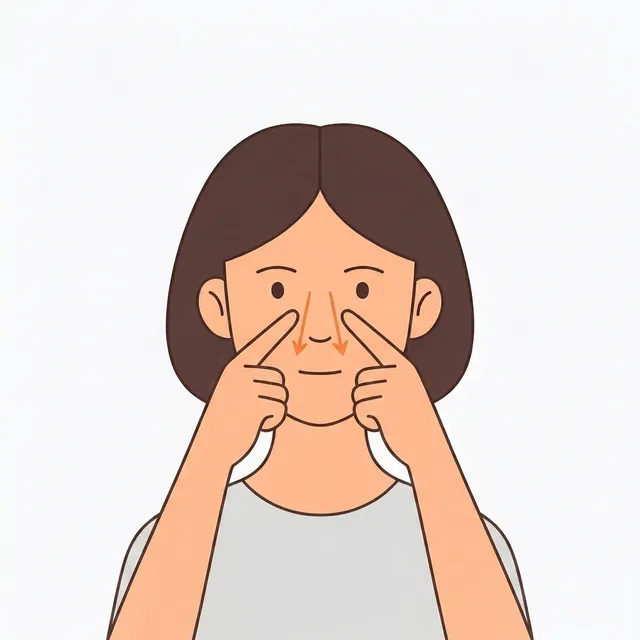
How to do it
- 1
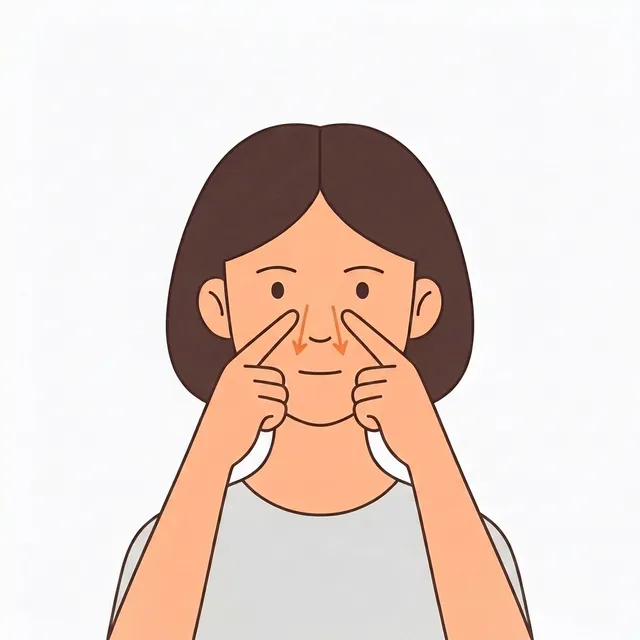
Place the sides of your index fingers along the nose bridge.
- 2
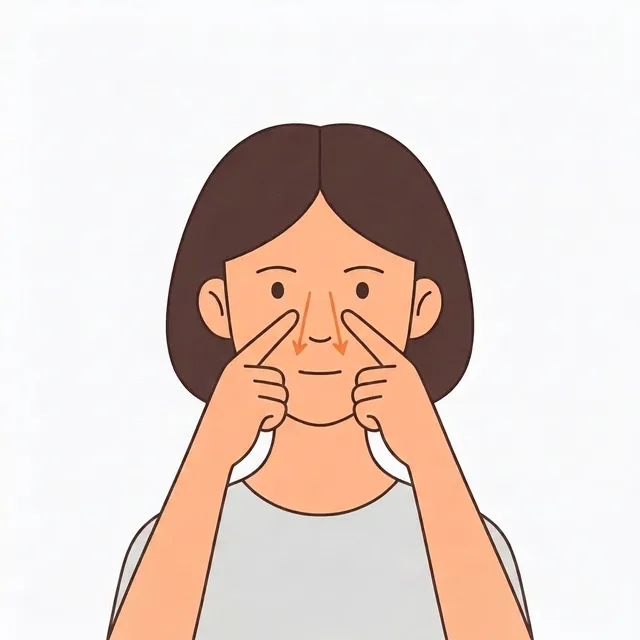
Sweep gently downward (10 times).
- 3
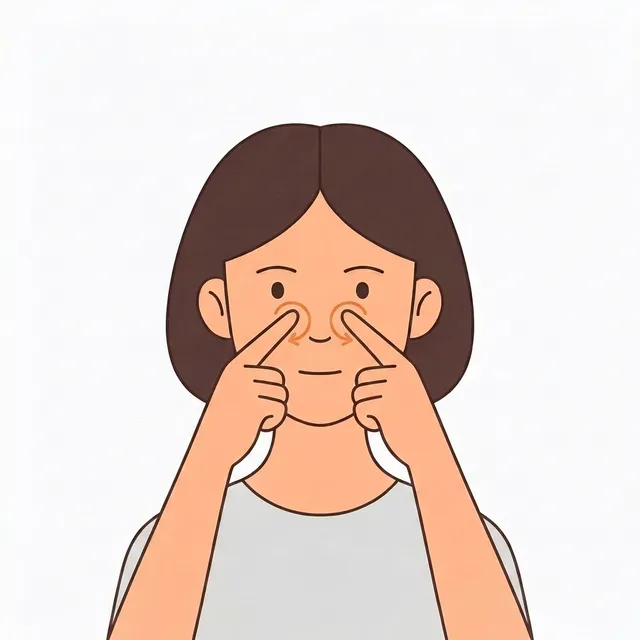
Massage beside the nostrils in small circles (15 seconds).
- 4
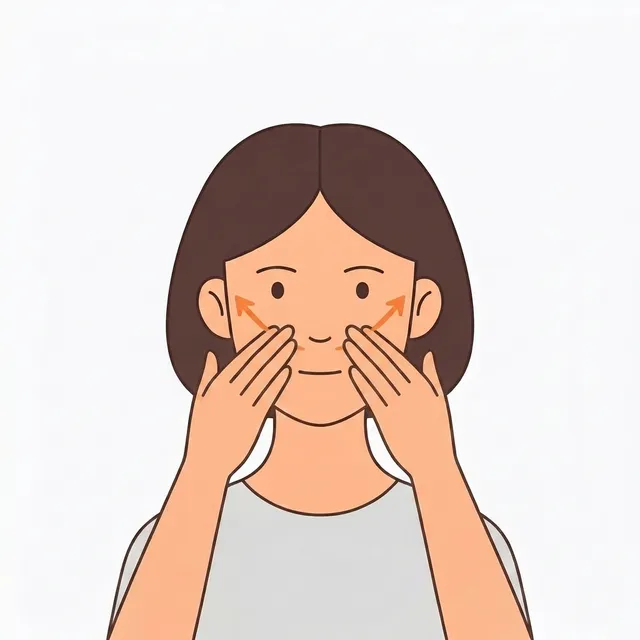
Finish by sweeping up toward the cheekbones.
Authorship and evidence
Written by: ALYGN operator · content editor
Content reviewed:
Date of editorial content and source review. This does not represent review by a medical professional.
This exercise is self-care information for functional asymmetry that comes from muscle habits. Individual results and timelines vary, and the listed times and repetitions are not a medical prescription.
- Alam et al. (2018): Facial exercise and the appearance of aging ↗
An uncontrolled pilot reporting appearance ratings in 16 completers over 20 weeks. It does not establish asymmetry correction, the effect of an individual movement, this site’s score, or a timeline for change.
Why it works
Tension in the muscles beside the nose affects expression movement around the midline. Gentle sweeping and circling improves tension and circulation there. Note that massage cannot change the shape of the nasal bone itself.
Soft-tissue tension around the nose plays its own part in how centered your face looks. Muscles that flare the nostrils and lift the upper lip run alongside the nose, and habits like one-sided scrunching or frequent nose-rubbing can build asymmetric tension there. If one nostril flares more, or your upper lip rises at an angle when you emote, these muscles may be out of balance.
Let's be clear first: massage does not change the bone and cartilage that shape your nose bridge. Content claiming "massage for a taller nose" has no basis. The realistic goals here are releasing muscle tension around the nose and improving circulation — which is genuinely enough to affect expression balance and that stuffy, tight feeling around the nose.
Muscles involved
The key players: the nasalis draping the nose bridge, the levator labii superioris alaeque nasi lifting nostril and upper lip together, and the procerus that furrows the brow root. All are thin, small muscles — gentle strokes and small circles stimulate them fully; strong pressure is unnecessary. The basic route runs top-to-bottom along the sides of the bridge, then small circles beside the nostrils.
Common mistakes
- Rubbing hard — the skin here is thin and easily irritated.
- Expecting a straighter or taller nose — the goal is muscle relaxation, nothing more.
- Skipping hand-washing first — the nose area breaks out easily.
Signs you're doing it right
The area around your nose should feel light and warm, with breathing feeling slightly clearer.
How often and when
Once a day, one to two minutes. Doing it while applying skincare after washing up cuts friction and makes it automatic. The one non-negotiable: clean hands first — this sebum-rich zone breaks out easily. Relief and a clearer feeling come immediately; expression-driven asymmetry recedes slowly, and only alongside correcting the scrunching habit that caused it.
Once it feels easy
Once the route is second nature, add an expression check: scrunch your nose at the mirror and watch whether both nostrils move the same amount and the upper lip rises level. Then consciously practice moving the lazier side. Pairing massage (release) with movement practice (control) beats either alone.
Frequently asked questions
Q. Can massage straighten a crooked nose?
No. A deviated nose is a matter of bone and cartilage shape, which massage cannot alter. If the crookedness comes with congestion, a deviated septum is possible — an ENT check is the practical next step. For cosmetic correction, a plastic-surgery consult is the right path. This exercise serves the separate purpose of managing muscle tension.
Q. I broke out around my nose after massaging.
Likely oils and bacteria from your hands, or excess friction. Wash hands, use a cream to cut friction, lighten the pressure — and pause a few days before resuming. If breakouts still recur, your skin here is simply reactive; drop the frequency to two or three times a week.
Q. Why does breathing feel clearer after massage?
Releasing tension around the nostrils and boosting local circulation seems to briefly lower airflow resistance at the nasal entrance — the same reason breathing eases when you gently widen the nostrils with a finger. The effect is temporary, though, and not a fix for chronic congestion.
Cautions
- · Avoid areas with rhinitis or skin trouble.