1-Minute Morning Mirror Check
A daily habit of tracking facial balance under the same conditions.
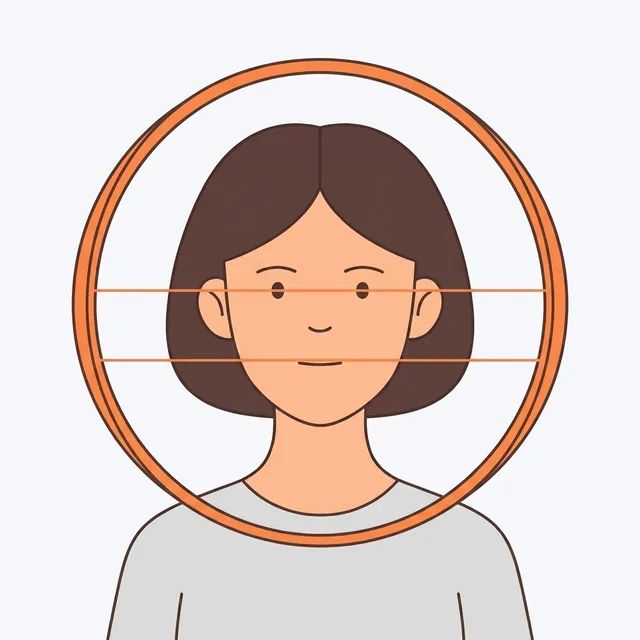
How to do it
- 1
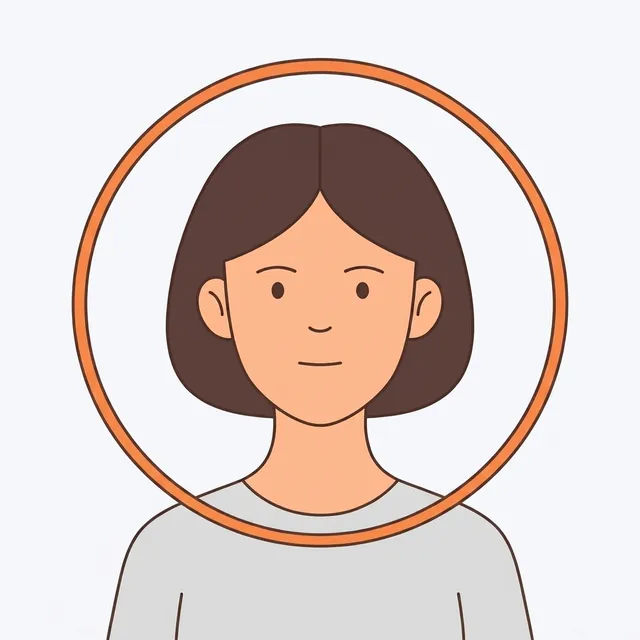
After washing up, check the mirror in the same spot and lighting.
- 2
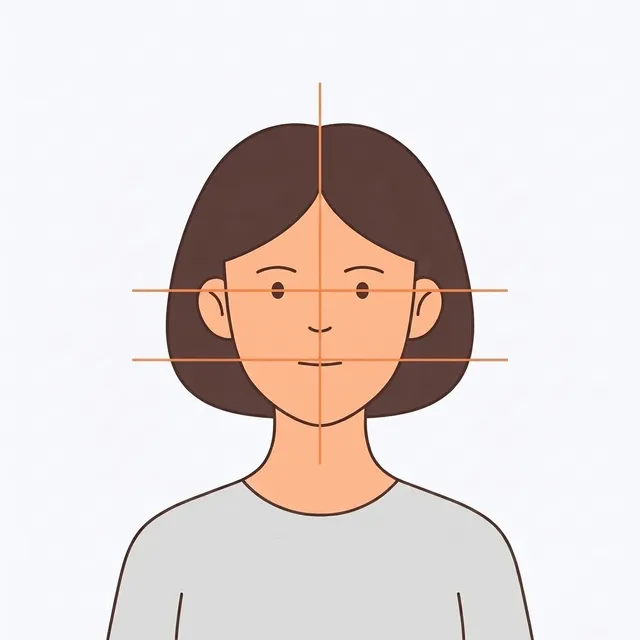
Check eye level, mouth corners, and chin center in order.
- 3
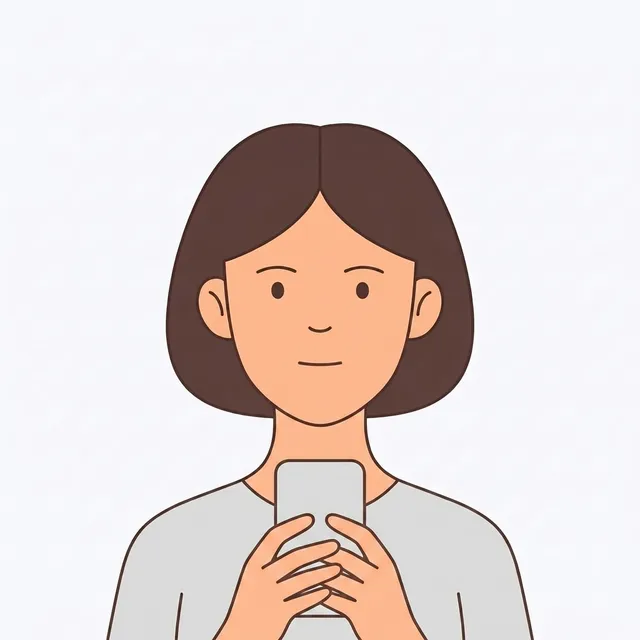
Record changes weekly with an ALYGN analysis.
- 4
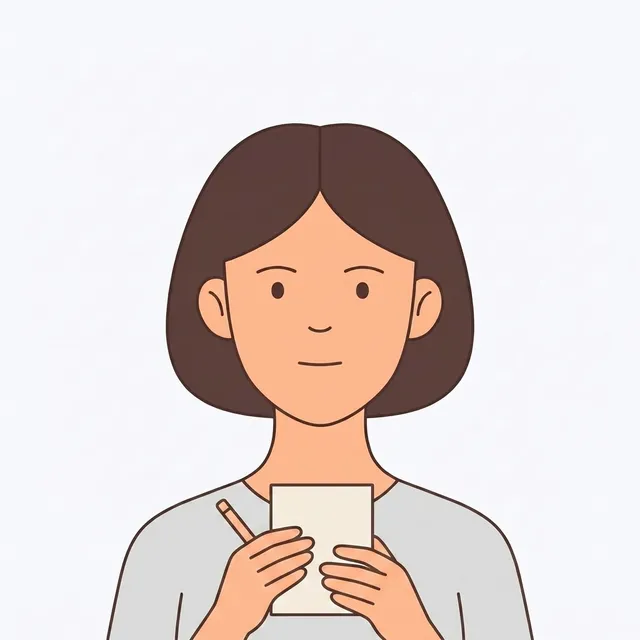
Note changes and adjust your routine.
Authorship and evidence
Written by: ALYGN operator · content editor
Content reviewed:
Date of editorial content and source review. This does not represent review by a medical professional.
This exercise is self-care information for functional asymmetry that comes from muscle habits. Individual results and timelines vary, and the listed times and repetitions are not a medical prescription.
Why it works
Checking at the same time, lighting, and angle creates an objective baseline. It shows whether your exercises are working — and reveals personal habit factors, like scores dipping the morning after side-sleeping.
The most common failure in asymmetry care is not skipping the exercises — it is quitting because you cannot tell whether anything is changing. Facial change has no obvious number like body weight, and a face you see every day is the hardest thing to notice change in. Add that faces shift with puffiness, expression, and lighting several times a day, and unaided eyeballing never escapes "maybe better, maybe not."
The fix is controlling the measurement conditions. Same time, same spot, same lighting, same angle — then the only variable left is your face, and comparisons between records finally mean something. Morning right after waking is recommended for exactly this consistency: before washing, before makeup, before the day's activities pile on, it is when conditions repeat most closely.
Muscles involved
What this routine trains is not a muscle but an observation system. ALYGN's analysis quantifies eye level, mouth corners, midline, and width from facial reference points — and the power of numbers is turning "feeling" into data. With metrics you can decide which exercises to prioritize (low eye score → eye work), whether they are working (weekly trends), and what makes things worse (cross-checking against yesterday's habits), all with evidence.
Common mistakes
- Changing lighting and angle each time — the comparisons become meaningless.
- Reacting to daily score swings — the weekly trend is what matters.
- Logging without acting — the loop closes only when patterns change your habits.
Signs you're doing it right
After a few weeks, you start seeing patterns — puffy-day triggers, score trends. That emerging insight is the sign this routine is working.
How often and when
If daily feels heavy, two or three fixed days a week works fine — condition consistency matters more than frequency. Lock in three things: even lighting without a window behind you, camera at eye level pointing straight on, neutral expression. And on bad-score days, resist instant conclusions — leave a one-line note (sleep, alcohol, salt, sleep position). A few weeks later, notes beside scores reveal your personal pattern.
Once it feels easy
Once two months of records exist, add the habit of reading weekly and monthly trends. Day-to-day swings are normal puffiness noise; the signal is the direction over weeks. When you change your exercise routine, note the date and compare the following four weeks — reaching the point where you select exercises by your own data is this routine's finished form.
Frequently asked questions
Q. My score dropped from yesterday — are the exercises failing?
A one-day drop is almost always puffiness or shooting conditions. After salty late food, alcohol, short sleep, or a side-sleeping night, losing a few points the next morning is normal. Judge exercises by the direction of weekly averages, over at least four weeks. Reacting to single days is this routine's most common trap.
Q. My face is puffy in the morning — should I still measure then?
Yes — what matters is not "un-puffy" but "the same every day." If you are similarly puffy each morning, puffiness becomes a constant that cancels out in comparisons. Mixing morning and evening measurements is what actually ruins the data. Curious about puffiness itself? Measure twice — morning and evening — and read the gap.
Q. I'm worried about my photos being stored.
ALYGN's analysis never sends your photo to a server. All analysis and scoring happen on your device, in the browser — only numeric results like scores and type are stored. Daily records accumulate no facial photos anywhere external; that privacy-by-design is precisely what makes this routine sustainable.
Cautions
- · Don't stress over tiny day-to-day differences.