Both-Side Chewing Habit
Alternate chewing sides at meals to balance jaw muscles.
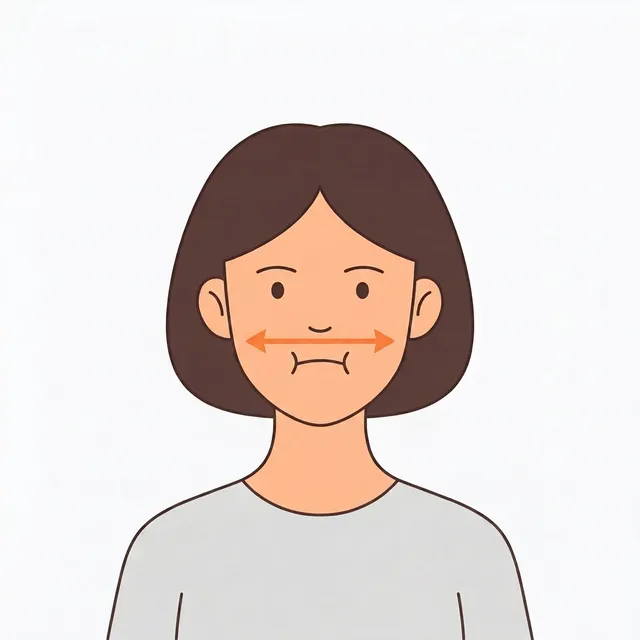
Shown as in a mirror — left and right mean your own left and right
How to do it
- 1
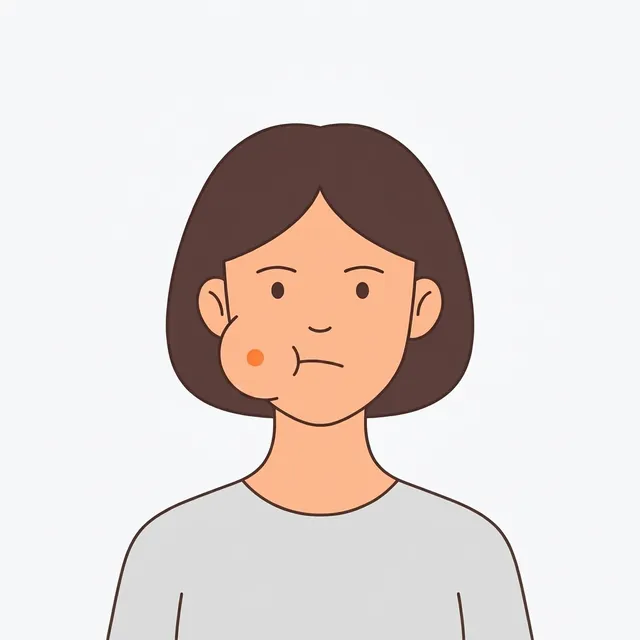
Start meals chewing on your less-used side.
- 2
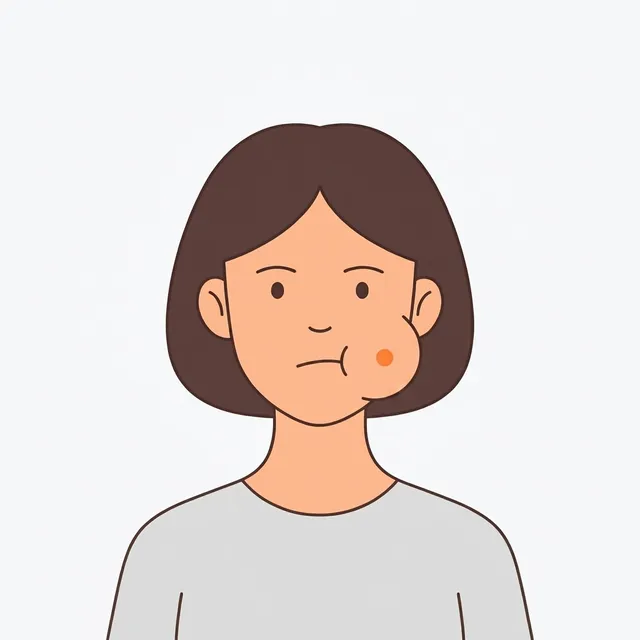
After 10 chews, switch to the other side.
- 3
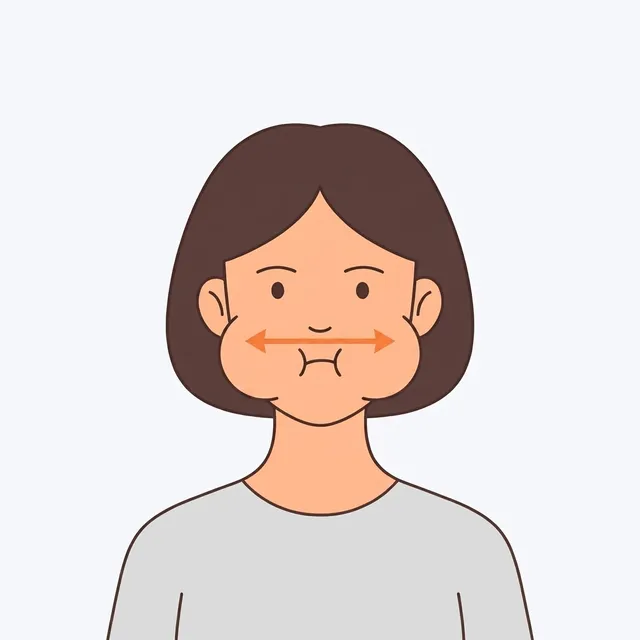
Keep alternating throughout the meal.
- 4
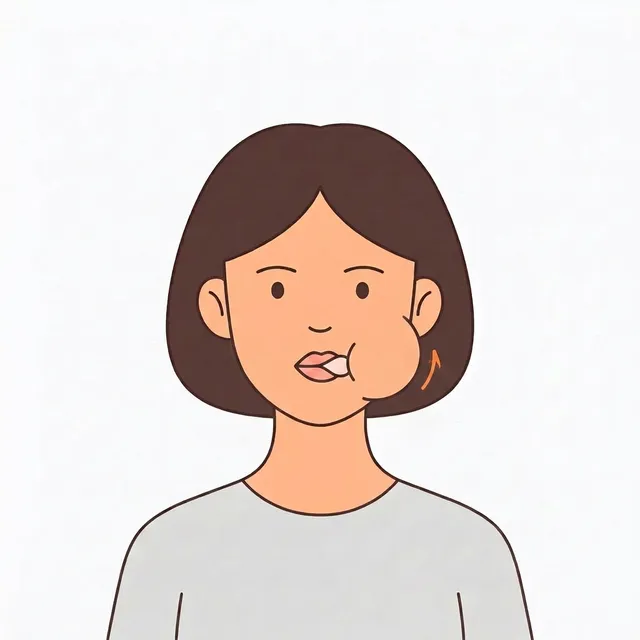
Gum works too (under 5 minutes per side).
Authorship and evidence
Written by: ALYGN operator · content editor
Content reviewed:
Date of editorial content and source review. This does not represent review by a medical professional.
This exercise is self-care information for functional asymmetry that comes from muscle habits. Individual results and timelines vary, and the listed times and repetitions are not a medical prescription.
- NIDCR: Temporomandibular Disorders ↗
Background on jaw pain, locking, painless sounds, and conservative care. It does not validate this site’s individual movements or asymmetry correction.
Why it works
Chewing muscles grow with use — always chewing on one side builds only that side. Alternating evens out the workload, gradually narrowing volume and tension gaps. As a habit fix, its effects last the longest.
We chew and swallow more than 2,000 times a day, mostly without noticing which side does the work. One-sided chewing starts for many reasons — avoiding a cavity or a sensitive tooth, a long-missing tooth, or plain old habit. Whatever the cause, the result is the same: the working side builds muscle, the idle side weakens.
Order matters here. Before changing the habit, find out why you started avoiding that side. If a dental cause remains — a cavity, sensitivity, an uncomfortable crown — forcing yourself to chew there just trains you to endure pain. Balanced chewing pays off only after the underlying cause is treated.
Muscles involved
Chewing recruits four muscle pairs: the powerhouse masseter and temporalis, plus the deep medial and lateral pterygoids that clamp and steer the jaw. One-sided chewing develops all four pairs unevenly — and the masseter's volume difference in particular shows up visibly as lower-face width asymmetry.
Common mistakes
- Drifting back to your usual side mid-meal — a note or phone reminder at the table helps.
- Deliberately eating lots of chewy food for "training" — that bulks the muscles instead.
- Forcing a side that hurts — address the dental or joint problem first.
Signs you're doing it right
It's normal for the unused side to feel awkward and tire quickly at first. When both sides feel equally natural after a few weeks, the habit has taken hold.
How often and when
This is habit replacement rather than exercise, so every meal is a training session. The first two to three weeks take conscious effort — decide "left side first today" as you sit down, and put a reminder on the table or your phone; it genuinely helps. Allocating by meal ("this meal favors the left") is easier to sustain than switching sides every bite.
Once it feels easy
Once both sides feel equally natural, an occasional mid-meal check — "which side am I on right now?" — is all the maintenance needed. Reviewing your ALYGN lower-face width metric monthly puts a number on the direction of change. If the long-idle side is already visibly smaller, a period of favoring it slightly — about 60/40 — is a reasonable tactic.
Frequently asked questions
Q. Does chewing gum help?
A double-edged sword. Used briefly on the weaker side, it can serve as a rehab tool — but habitual long chewing bulks the masseters and widens the lower face. Unless you are using it purposefully — under 10 minutes, weak side only — it is not recommended.
Q. My sides already differ a lot — will habit change reverse it?
If the difference is muscular, balanced use can gradually narrow it over months. If it stems from jawbone asymmetry, chewing habits will not change it. A rough clue: clench and feel both masseters — a clear thickness difference points to muscle; a contour difference even at rest points to bone.
Q. Should I seek out hard foods or avoid them?
For balance, distribution beats intensity. Adding tough, chewy foods grows both masseters and develops the whole lower face — counterproductive if a slimmer lower face is your goal. Keep your diet as it is; changing only the left-right split is the entire point.
Cautions
- · A very chewy diet may bulk up the muscles instead.